

Brick Two: How and Why We Hide in Our Communication
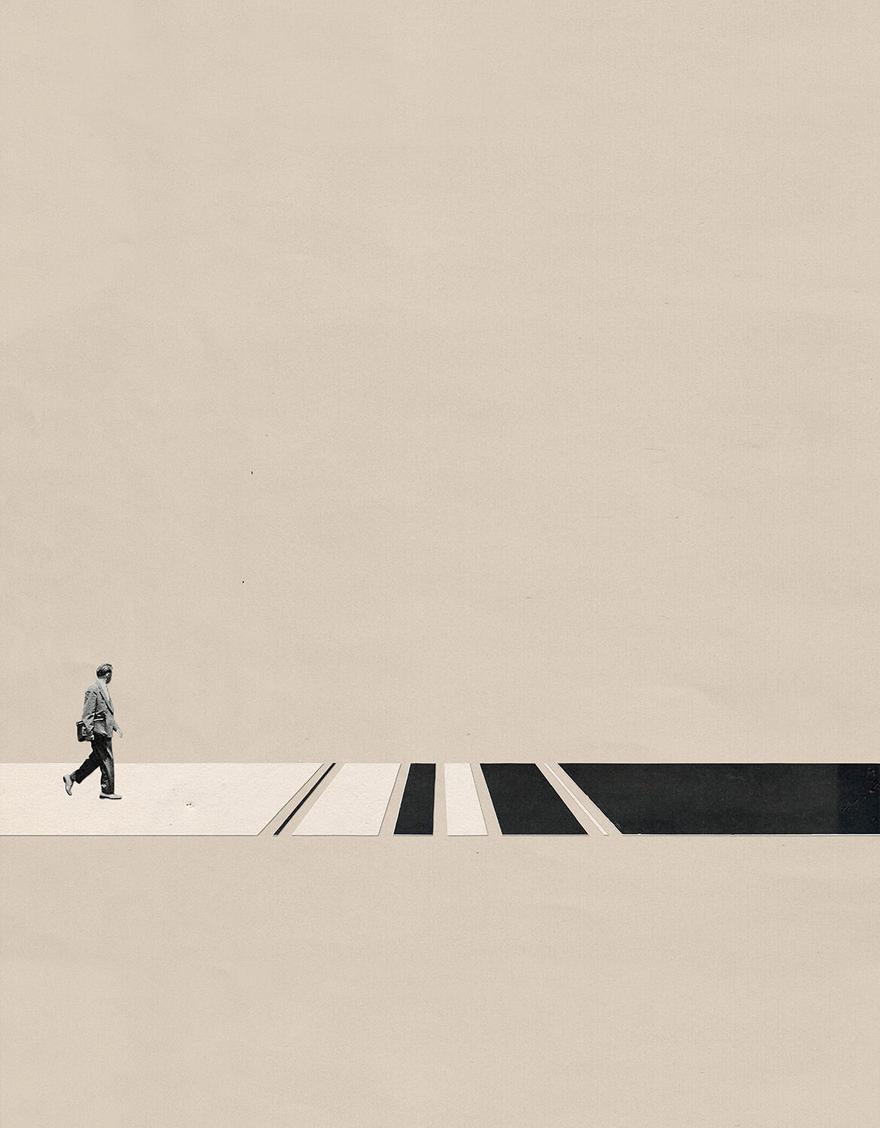
Today we lay Brick Two in the communication process. And like all good construction projects, this one is less about building something new and more about noticing what has been quietly holding things up all along.
Last week we explored the language of self-acceptance. The subtle, subconscious words we speak internally. The habitual grammar of should, shouldn’t, good, bad, better than, worse than, improvement, comparison. Language that often reveals an agenda long before we consciously know we have one.
This week we move one layer deeper.
How and why we hide in our communication.
The answer, from my perspective, is disarmingly simple.
We hide to feel control.
Or more accurately, we hide to feel the illusion of control.
Control over how others perceive us.
Control over how we think others will experience us.
Control over how we believe we will experience ourselves through their eyes.
And while parts of us cling tightly to the belief that hiding works, another quieter knowing often hums beneath the surface.
I am not convinced hiding is actually possible.
Not fully.
I am no longer sure that lying, omitting, or concealing truly hides anything at all. I think we sense far more than we admit. I think we feel far more than we consciously acknowledge. And I suspect that when the ego loosens its grip, very little remains unseen.
Still, the habit of hiding runs deep. And to understand why, I want to invite you somewhere unexpected.
Back to childhood.
Many of us struggle to remember our early years. Not the highlight reel memories, but the buried ones. The ones we do not recall precisely because forgetting them once gave us safety, power, or control.
So I want to ask something gently.
What do you hide from yourself that you do not even know you are hiding?
And what happens if you invite yourself to feel into parts of you that rarely get airtime?
As you do, notice what arises. Sensations. Images. Emotions. Maybe memories that feel strangely unfamiliar yet oddly intimate.
Now imagine a game most of us played as children.
Hide and seek.
Notice something curious here.
In a group of ten kids, how many wanted to hide?
And how many wanted to seek?
In my experience, hiding was the favorite role. The thrill was not only being unseen. It was seeing without being seen. Watching the seeker pass by. Feeling chosen and powerful. Feeling wanted. Feeling in control.
What a potent cocktail for a young nervous system.
Now internalize that.
What if hiding became one of our earliest strategies for power?
Power over others.
Power over perception.
Power over vulnerability.
Power over being affected.
And if hiding worked once, why would the psyche ever let it go?
As adults, this strategy rarely looks like crouching behind furniture. It looks like omission. Politeness. Agreeableness. Performance. Carefully curated honesty. Social media posts that reveal something, but never quite the thing.
Notice where you hide.
In conversations.
In relationships.
In partnerships.
In business.
In the stories you tell.
In the truths you soften.
In the feelings you never name.
And then ask a harder question.
What do I hide from others that I also hide from myself?
Another reason we hide lives in a heavy illusion many of us carry.
The belief that we are responsible for how other people feel.
Responsible for their emotions.
Responsible for their reactions.
Responsible for their history being activated in our presence.
This illusion creates a quiet burden. And under that weight, truth becomes dangerous.
If I tell the truth, I might hurt you.
If I tell the truth, you might feel shame.
If I tell the truth, I might be rejected.
If I tell the truth, I might lose you.
So we edit.
We filter.
We parent.
And yes, I am using that word intentionally.
When we hide our truth to protect someone else from their own emotional experience, we are parenting them. We are managing their feelings on their behalf.
But here is the twist.
We are not really parenting them.
We are parenting ourselves.
We hide not because we cannot tolerate their reaction, but because we cannot tolerate our experience of their reaction.
So we protect ourselves by protecting them.
Or at least that is the story.
In my world, the deepest respect someone can offer me is not comfort or agreement. It is honesty. Raw, grounded, self-responsible truth. Even when it stings. Even when it disagrees. Even when it challenges me.
That is intimacy.
Not caretaking.
Not concealment.
Not performance.
Truth shared through responsibility, not blame.
This is why I continue to show up publicly as I do. Without a fixed smile. Without consensus-seeking. Willing to be seen as opinionated, judgmental at times, unsure at times, afraid at times, pressured at times, not enough at times.
Not because it is easy.
But because it is clean.
When I share my truth, I return the ball. I allow others to own their experience of me without needing to manage it. Curiosity replaces control. Dialogue replaces fantasy.
Another layer worth exploring is validation.
The parts of us that hide most desperately are often the parts still searching externally for approval, safety, inspiration, and acknowledgment.
Here is a quiet mirror.
The less validation you give yourself internally, the more you will need from the outside world.
And the more you need it, the more you will hide to keep receiving it.
Neediness is not a flaw. It is human. But unexamined neediness breeds dishonesty. Not malicious dishonesty. Protective dishonesty.
In my experience, people who communicate most openly are not fearless. They are resourced. They have learned to offer themselves what they once demanded externally.
Approval.
Safety.
Validation.
Inspiration.
Another reason we hide is subtler.
The illusion that we know someone.
We believe we understand how they will respond because we have history. And history hardens into a cage. For them. And for us.
If someone once responded to our vulnerability with blame or shame, we assume they always will. Whether that is true or not becomes irrelevant. The assumption alone dictates our future honesty.
So we edit again.
We pre-emptively protect.
We communicate with ghosts instead of humans.
What if, before difficult conversations, you asked yourself a radical question.
Can I allow this person to be who they are in this moment, not who they were in my memory?
Can I free myself from the story I have about them, and offer them the same freedom?
This is especially challenging with parents, whose cages are often thick, emotional, and inherited.
Notice the instantaneous stories you create during conversations.
They are angry.
They are triggered.
They are disappointed.
They do not understand me.
What if you paused and asked instead?
Is that true?
Or is that my projection?
Intimacy begins when we are willing to check assumptions rather than worship them.
Many people identify as empaths. I hear that. And I wonder something quietly.
Is it intuition?
Or is it a finely tuned survival skill developed to hide more effectively?
Reading others so we can disappear safely is not intuition. It is adaptation.
And finally, consider this.
The more you hide internally, the less you trust yourself.
The less you trust yourself, the less you trust the world.
And when trust collapses, hiding feels necessary for survival.
Sharing truth is unpredictable. It can dismantle lives. It can rearrange tribes. Not because we cut people off, but because truth invites alignment, and misalignment naturally falls away.
That is not destruction.
That is recalibration.
So notice where you hide.
Notice why.
And notice the power you believe hiding gives you.
Because what once protected you may now be the very thing limiting your intimacy, clarity, and freedom.
Brick Two laid.
More soon.

0 comments
Leave a comment
Please log in or register to post a comment